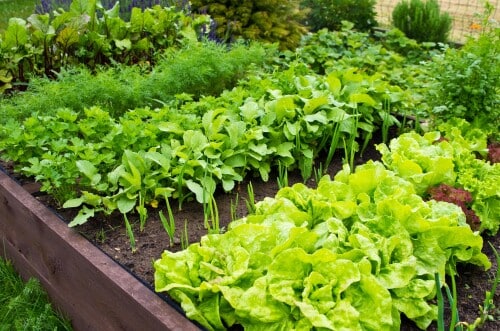



We particularly love raised garden beds; they are practical and often low maintenance for your garden or allotment and are particularly useful for growing fruit and vegetables! There are many benefits to a raised garden bed; many may use these for:
- Aesthetic reasons
- It is more space efficient in their garden
- Different soil needs to grow certain plants
- They have a bad back
- Slows down slugs and snails
- Fewer weeds
- Have pets
- Better drainage and as a result an increased soil temperature
It is worth noting there are many materials you can use to make a raised bed; the below instructions are for the construction of a simple timber structure. You can purchase pre measured garden bed kits from local garden centres of B&Q!
You may also wish to make a longer lasting raised bed from stone, brick, railway sleepers or even paving slabs!
To start building your raised beds you will need to:
- Clear the site of existing vegetation and level as required.
- If the wood you are using is untreated, staple in a liner to avoid rot.
- Mark out the beds with stakes and string, and check the levels.
- Insert retaining stakes (5 x 5cm or 2 x 2in timber is suitable) at the corners and then at every 1.5m (5ft), sink 30-45cm (12-18in) into the soil to support the sides.
- Attach the sides to the retaining stakes with nails or screws (screws are better for avoiding splitting).
- Optional – if you have concerns about the ground underneath you can line the raised bed with cardboard.
Filling the bed
- Once the sides are in place, cultivate and enrich the underlying soil by breaking up the ground at the bottom of the raised bed. Then fill the bottom half with PlantGrow’s Natural Fertiliser. Keep some of this aside for the topdressing later.
- For beds deeper than 50cm (20in), remove the underlying topsoil and replace with subsoil, rubble or old inverted turves. Then replace the topsoil with PlantGrow’s Bio-Mix 50/50, enriched with organic matter firming in layers to prevent undue settling.
- Where the topsoil is unsuitable for the crops or plants to be grown, leave it in place, but simply loosen it and fill up the bed with new soil.
- Once filled, allow beds to settle for two weeks before planting as you may need to top up the contents.
PlantGrow Tip: Once plants are in, use the remaining PlantGrow Natural Fertiliser as a top dressing on the whole surface. This will keep the moisture locked in, meaning the bed will take much longer to dry out – endorsed by Anglian Water!
We hope our guide to raised garden beds is helpful and if you have any questions regarding what to fill your bed with, don’t hesitate to contact us! We would also love to see how your garden projects are coming along so do send in your photos 🌷
You can send an email to info@plantgrow.co.uk or send us a message on any of our social media platforms below!
Facebook – https://www.facebook.com/plantgrowuk/
Twitter – https://twitter.com/GrowNatural
Instagram – https://www.instagram.com/plantgrowuk/?hl=en
LinkedIn – https://www.linkedin.com/company/plantgrow/