

Q: Why should I use fertiliser on my fruits and vegetables?
To help you get the most from your garden. Fertilisers supply your plants with the nutrients and minerals they need to grow. Organic fertilisers are slow-releasing. They replenish the nutrients that are lost in soil over time, giving your plants a sustainable food source and helping them to develop better root systems and a sturdy structure. Plants will grow slow, steady, and sure. Some inorganic or chemical plant food can give your crops a short-term boost that will help them bloom, but can sometimes cause a plant to grow too quickly. This can prevent roots from fully establishing and can cause premature death in plants. Also, remember that the intention is for you to grow food to use in your kitchen. By using organic fertiliser, you can rest easy knowing only natural products have been used to grow it.
Q: Can an organic fertiliser still protect my fruit and veg?
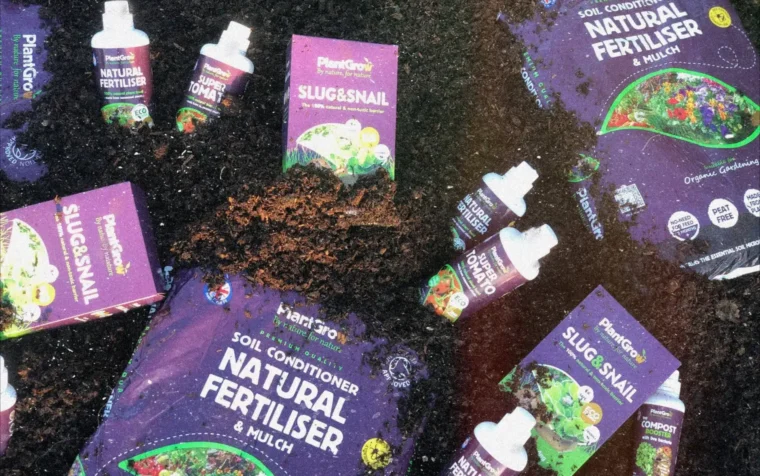
Absolutely. Using a product made up of 100 percent natural ingredients can help boost your plants’ immunity, helping them to fight off disease. Some inorganic feeds can make flowers more prone to disease or strong chemicals can damage a plant’s root system, leading to poorer growth overall. PlantGrow fertiliser is made from plant-derived ingredients – we add no artificial chemicals – making it kinder to the environment and safe to use around children, pets, and wildlife. The formula is sustainably made using anaerobic digestion, which creates electricity that we then feedback into the national grid as green energy.
Q: Will I need different fertilisers for each plant?
Not at all. PlantGrow fertiliser comes in two forms. You can use our liquid plant feed for more regular feeding, or our solid soil conditioning fertiliser which can be laid on top of the soil before planting. Both forms can be used anywhere in your garden and even on your indoor plants.
Q: Can I over-use fertiliser?
Always read the label before buying a product and follow the recommended feeding schedule. If you use too much chemical feed on your garden, this can overwhelm and damage your plants. I recommend using PlantGrow liquid fertiliser for your fruits, vegetables, and herbs. Use it once a week through the growing season. It’s a good starter product as you can’t mess up the feeding schedule and it won’t harm your plants if you accidentally feed them more.
Q: What are some good starter fruits and veg?
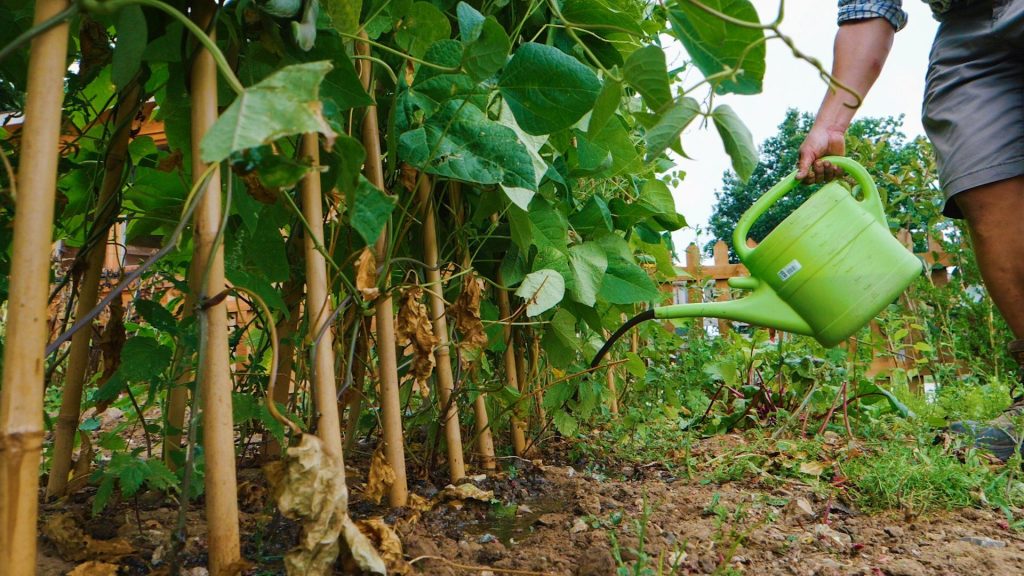
Tomatoes are a superb choice for first-time vegetable growers and you’ll notice the difference in taste. Some other good starters are potatoes, peppers, and beetroot. We’ve had many people yield significant results on their runner beans when using PlantGrow fertiliser in particular. Remember to choose a sheltered, sunny spot for your fruit and vegetable plot. Only grow what you have space for – if your garden’s small, try growing things in window boxes or pots. The grow-your-own movement has become incredibly popular through lockdown. Gardening is a therapeutic hobby and growing your own food can be a rewarding job. We speak to a lot of customers interested in growing their fruit and vegetables, and we’re more than happy to answer any questions.